can tight pelvic floor muscles cause constipation
The muscles may be too tight or too weak or there may be tears in the connective tissues. I also did a video on my youtube channel for you to watch.

Pelvic Floor Dyssynergia Is Known By Many Different Names To Put It Simply The Pelvic Floor Muscles Ar Pelvic Floor Pelvic Floor Muscles Pelvic Floor Therapy
While damage to the intestines isnt likely to occur chronic constipation can lead to several long-term complications.

. In constipation the pelvic floor muscles are tight and overactive and do not know how to relax. Finally women may also have low back andor hip pain. Discover all the foods that you might or not be eating that cause the Problem.
A hypertonic pelvic floor occurs when the muscles in the pelvic floor become too tense and are unable to relax. Examples include senna Senokot and bisacodyl eg. Can tight pelvic muscles cause constipation.
When you sit on the toilet the pelvic floor muscles should relax so that you are able to empty your bladder or bowel. Symptoms include constipation straining to defecate having urine or stool leakage and experiencing a frequent need to pee. Initial treatments include biofeedback pelvic floor physical therapy and medications.
Pelvic floor muscle dysfunction cause of constipation It is the dysfunction of the pelvic floor muscles and the anal sphincter. Ad Discover all the Foods that you Might or not be Eating that Cause Constipation. In addition to the rectum the urethra which carries urine from the bladder to the outside of the body also passes through.
Constipation A tense pelvic floor may be the culprit behind chronic constipation. Pelvic floor physical therapy helps manage any existing tightness in your muscles even throughout your intestines and diaphragm. In addition constipation hemorrhoids and rectal fissures tears in the anal area are common.
These muscles need to relax to evacuate a BM so this is yet another way stress can lead to constipation. When a muscle becomes tight it becomes shortened and has too much tension when at restaka. Can Tight Pelvic Floor Muscles Cause Constipation.
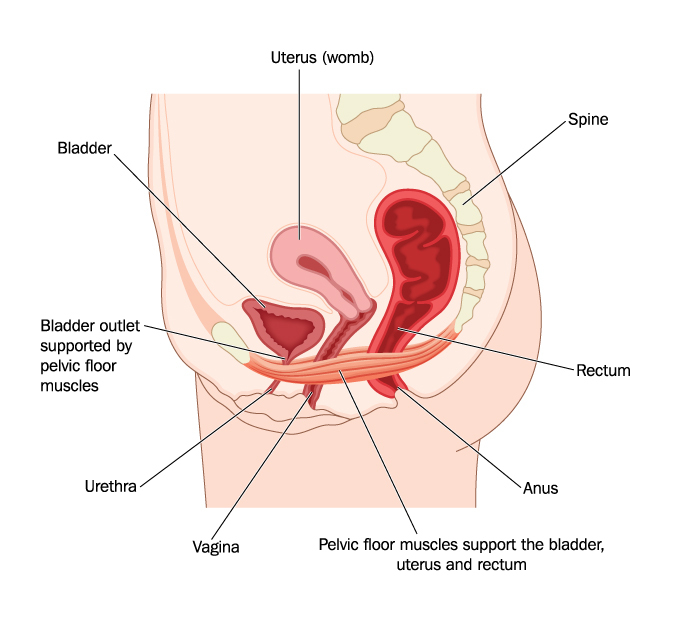
Yes BUT not every constipation is caused by tight pelvic floor dysfunction. When it comes to outlet constipation dysfunctional pelvic floor muscles are often the cause. The pelvic floor is a sheet of muscle through which the rectum passes and becomes the anal canal.
Ad Discover the Mechanism of Action of a Treatment for Chronic Idiopathic Constipation. This is often referred to as seepage. When a muscle becomes tight it becomes shortened and has too much tension when at restthis is also known as a muscle spasm.
For women childbirth is the most common cause of damage due to the strain and stretching that is involved. 13 Eating disorders 14 Irritable bowel syndrome IBS 15 Colon cancer. Pelvic floor dysfunction PFD is a term that refers to a wide range of problems that can occur when the pelvic floor muscles arent functioning normally or when that hammock shape becomes weak or damaged.
Avoid overusing stimulant laxatives as taking them regularly or in large amounts can cause side effects. 4- Close your eyes. If the pelvic floor muscles in the rectum are too tight and unable to relax it becomes difficult for stool to be passed.
Constipation and The Pelvic Floor Muscles Normally the pelvic floor muscles tighten to hold your urine and bowel motions in. Thats where I come in. Chronic constipation can weaken the pelvic floor muscles in men and women.
Straining hard or thin stools and a feeling of incomplete elimination are common signs and symptoms. So The first step to relaxing your anaI sphincters and pelvic floor muscles is to stop the conventional forceful straining. Large babies and forceps use can increase the damage.
These cause fluids to flow in a special way through the colon and are especially useful. Download a Patient Brochure to Find Useful Information for Your Patients with CIC. This question is so prevalent that I wrote a whole blog on pelvic floor dysfunction and constipation that you should take a look at.
Stress also causes us to hold tension in our muscles and one of the areas most affected by this believe it or not is your pelvic floor. Puborectalis muscle at rest and during defecation As many as 50 percent of people with chronic constipation have pelvic floor dysfunction PFD impaired relaxation and coordination of pelvic floor and abdominal muscles during evacuation. The anal sphincter and the pelvic floor specifically the puborectalis muscle have to lengthen and release so stool can pass through the rectum and out the anal opening Crouch says.
Weakened pelvic floor muscles caused by constant straining during bowel movements may contribute to recurring accidental bowel leakage called fecal incontinence. Muscle spasms and contractions in the pelvic area A frequent need to urinate Difficulty in starting andor maintaining the flow of urine Feelings of urgency bladder or bowel Pain when urinating Inability to totally empty your bladder Constipation Prolapse Straining when passing stools Pain when. Fecal incontinence happens when some of the stool seeps around the constipated stool and leaks out.
You can improve your muscle strength in the anus area with specific. One little known cause of constipation is tight pelvic floor muscles. If you have a hypertonic pelvic floor youre likely to experience the following symptoms.
You can also damage your pelvic floor muscles from straining too much. Closing your eyes helps you to get rid of distractions and start focusing on relaxing your sphincter to help constipation. Overactive tight pelvic floor muscles often develop over a long period from a.
After you set in a squatting position preferably using a footstool or a squatty potty close your eyes instead of straining. This can lead to straining during a bowel movement which causes the muscles to tighten even further. These are the muscles that are involved in defecation and when altered the colon content will remain for a long time.
These cause rhythmic muscle contractions in the intestines. Failed relaxation or paradoxical contraction of the puborectalis muscle and external anal sphincter to expel the stool completely leads to impaired rectal evacuation and is termed pelvic floor dyssynergy PFD. Women with pelvic floor dysfunction often also have urinary symptoms such as frequency urgency and incomplete emptying of the bladder.
Tightness in pelvis can result when the pelvic floor muscles become hyper-tonic or too tight. Weak pelvic floor muscles may also lead to prolapse of one or more of the pelvic floor organs. These include inflammation of the veins in the rectum tears in the lining of the anus and infection in pouches of the colon wall.
However constipation can also be resultant of Pelvic Floor Dysfunction. Defecation occurs through a neurologically mediated series of coordinated muscle movements of the pelvic floor muscles and anal sphincters. Pelvic floor dysfunction is the inability to correctly relax and coordinate your pelvic floor muscles to have a bowel movement.
Sometimes nerve irritation from infection or low back injury can cause the pelvic floor to spasm. The anal canal is surrounded by the anal sphincter complex which is comprised of both an internal and external component. During defecation the pelvic floor muscles need to be relaxed in order for the sphincter to open and the stool to evacuate.
When the pelvic floor muscles are tight or hypertonic they will inhibit bowel function.

Pin On Chronic Pelvic Pain
Pelvic Floor Dysfunction Illinois Chiropractic Society
Why A Tight Pelvic Floor Is Not A Strong Pelvic Floor Womankind Physiotherapy
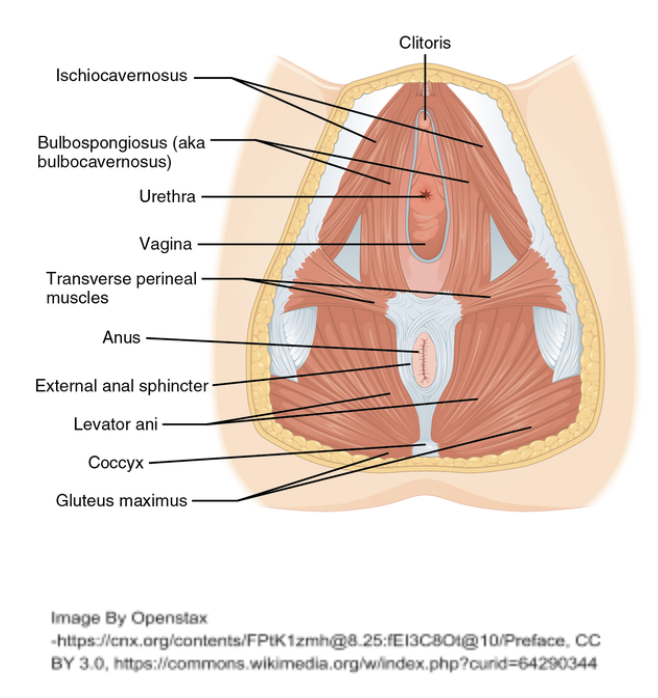
Is A Tense Pelvic Floor The Cause Of Your Pain New Leaf Fitness Wellbeing

Constipation Due To Pelvic Floor Dis Coordination
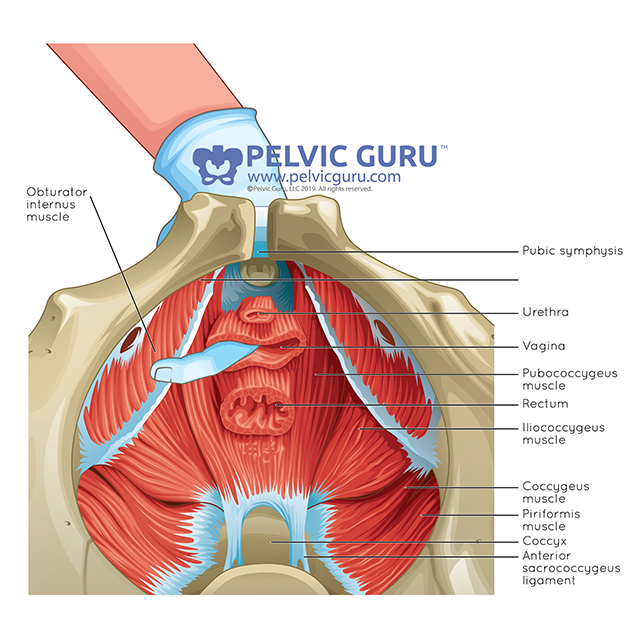
Hypertonic Pelvic Floor Causes Symptoms And Exercises For It Dr Amruta Inamdar Pelvic Floor Physical Therapy

Pin On Meditation

Pelvic Floor Muscles Its Functions More Elara Care
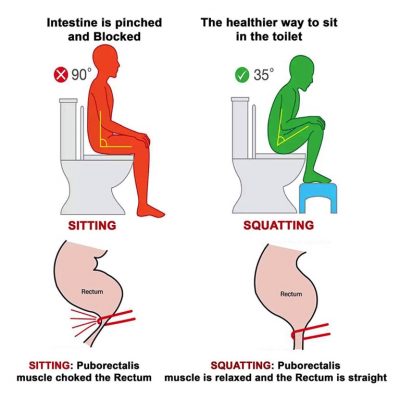
Constipation Your Pelvic Floor Position Matters Moti Physiotherapy
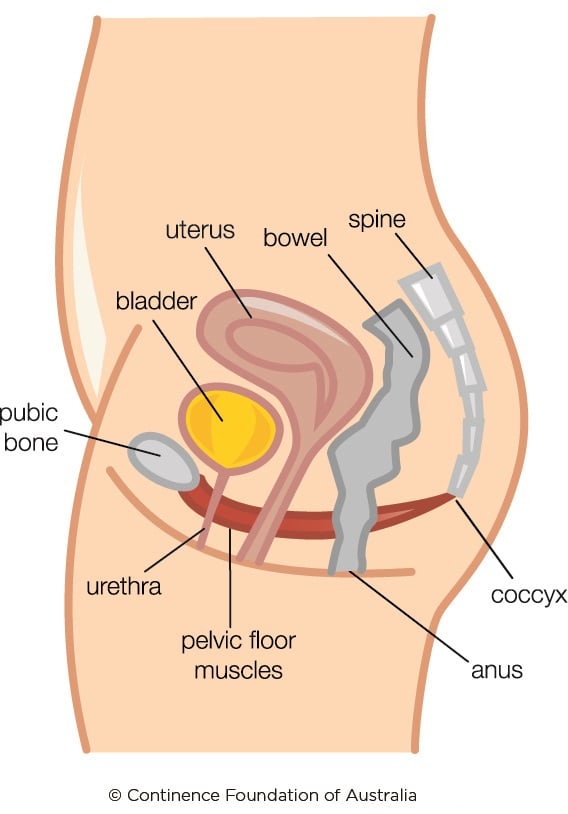
The Hypertonic Pelvic Floor Continence Foundation Of Australia
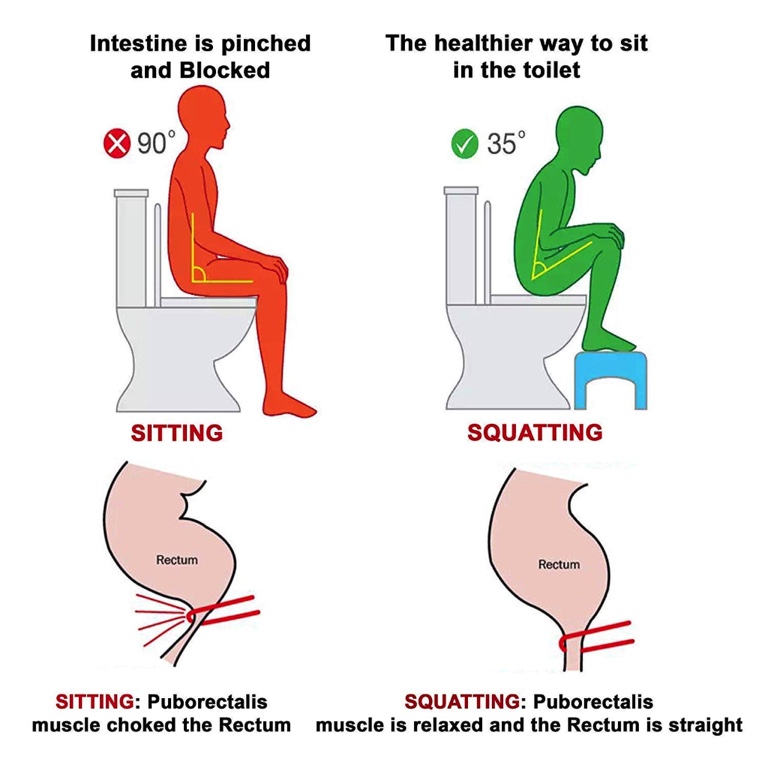
Constipation Your Pelvic Floor Position Matters Moti Physiotherapy

Pin On Pelvic Pain

Pin On Fitness Health

Constipation Your Pelvic Floor Position Matters Moti Physiotherapy

Pin On Pelvic Floor Exercises

Constipation And Pelvic Floor Dyssynergia What Do They Have In Common The Pelvic Expert
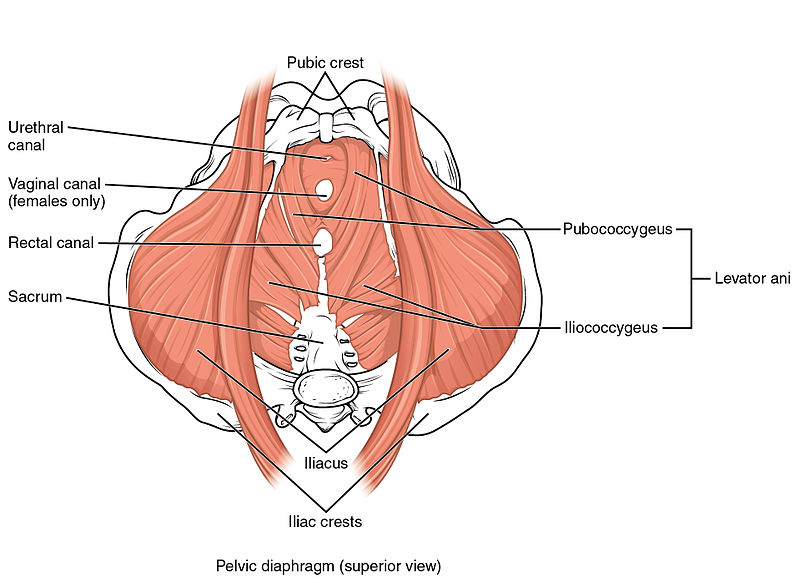
Pelvic Floor Muscle Function And Strength Physiopedia

Pelgrip Pelvic Muscle Exerciser Pelvic Floor Muscles Pelvic Floor Muscle
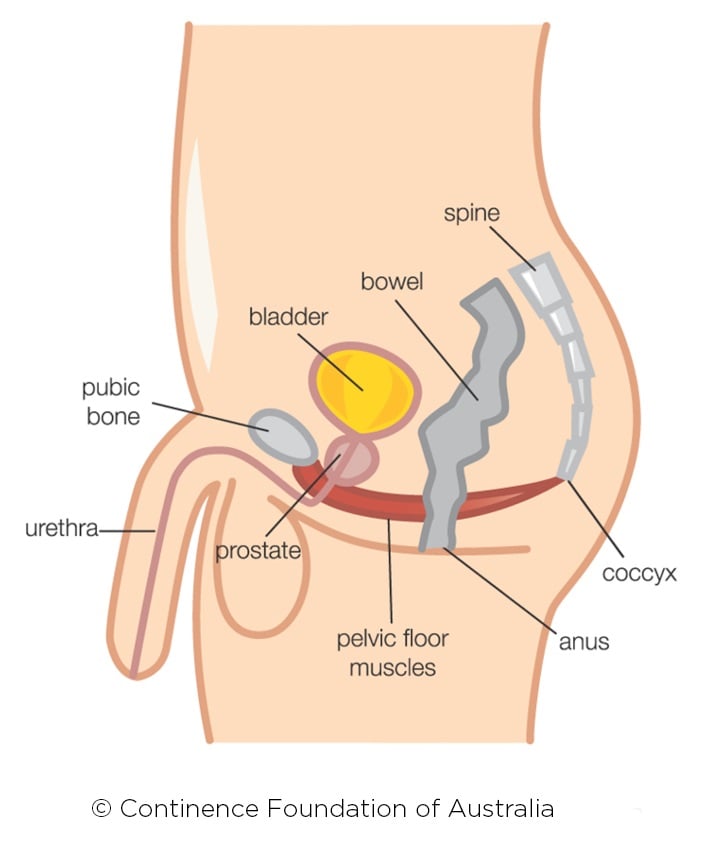
The Hypertonic Pelvic Floor Continence Foundation Of Australia